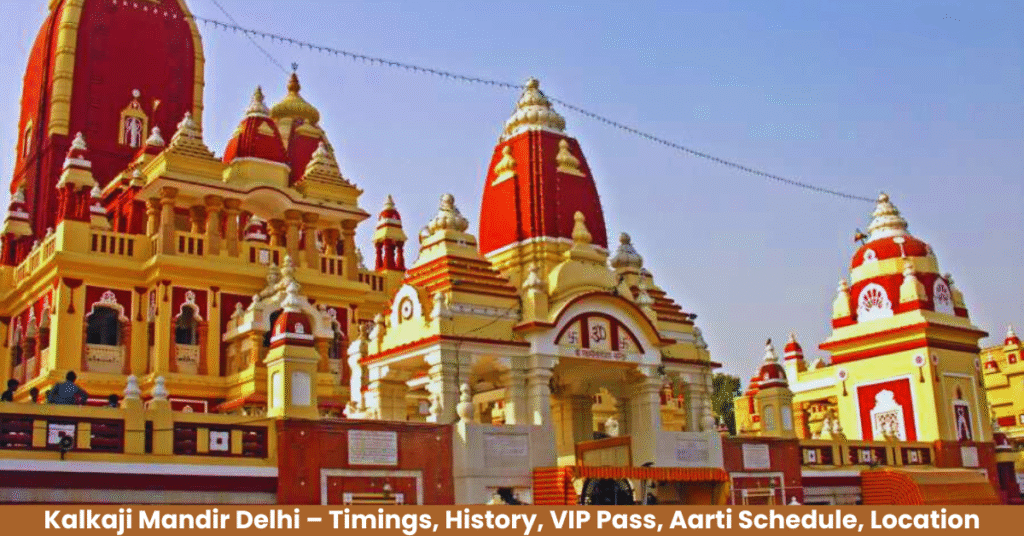
Kalkaji Mandir, situated in South Delhi near Nehru Place and just opposite the famous Lotus Temple, is one of the oldest and most revered Shaktipeeth temples in North India. The temple is dedicated to Goddess Kalka, a powerful and fierce form of Maa Durga, and is believed to be self-manifested, radiating strong spiritual energy that draws devotees from across the country.
Thousands of devotees visit Kalkaji Mandir every year, with Navratri, Durga Puja, and other major Hindu festivals being the most significant times to experience the temple’s vibrant rituals and divine atmosphere.
Visiting Kalkaji Mandir is more than a religious act; it is a soulful journey that offers peace, devotion, and a chance to witness centuries-old traditions. The temple’s sacred ambiance, combined with the devotion of the crowd, creates a spiritual experience like no other, making it a must-visit destination for pilgrims and spiritual seekers alike.
Kalkaji Mandir Daily Darshan Timings 2026
Kalkaji Mandir in South Delhi is open every day of the week, including weekends and public holidays, ensuring devotees can visit conveniently at any time.
| Timing | Hours |
|---|---|
| Morning Opening | 4:00 AM |
| Closing Time | 11:30 PM |
| Darshan Availability | Throughout the day (except short intervals during aartis and temple cleaning) |
During major festivals such as Navratri, Ashtami, and during the Chaitra and Kartik months, the temple often remains open for extended hours or even overnight for special jagrans. This allows devotees to engage in continuous prayers, bhajans, and spiritual rituals without interruption.
Kalkaji Mandir Aarti Timings 2026
Experiencing the daily aartis at Kalkaji Mandir is a spiritual highlight for devotees visiting this sacred temple in South Delhi. Each aarti is performed with devotion, music, and traditional rituals, creating a deeply uplifting atmosphere.
| Aarti | Timing |
|---|---|
| Mangala Aarti (Morning) | 4:30 AM |
| Bhog Aarti (Noon) | 12:00 PM |
| Sandhya Aarti (Evening) | 7:00 PM |
| Shayan Aarti (Night) | 10:30 PM |
During Navratri and other major festivals, the aartis become even more grand and vibrant, featuring live devotional music, bhajans, and extended rituals. Devotees attending during these special occasions can witness a festive, spiritually charged atmosphere, making it a perfect time for prayer, reflection, and blessings from Goddess Kalka.
Kalkaji Mandir VIP Darshan Pass – Price and Details
To help devotees manage long queues during busy days and major festivals, Kalkaji Mandir offers a VIP Darshan Pass. This pass allows visitors to reach the sanctum quickly and enjoy a more comfortable darshan experience, especially during Navratri and other high-traffic festivals.
| Feature | Details |
|---|---|
| VIP Pass Price | ₹150 – ₹300 per person |
| Availability | On-site at the temple during Navratri and major festivals |
| Online Booking | Currently not available |
| Purpose | Skip long queues, ideal for elderly devotees, families, and large groups |
Tips for Devotees:
- Always purchase VIP passes at official counters inside the temple to avoid fake agents or third-party scams.
- VIP passes are recommended for those who want a faster, hassle-free darshan during festival seasons.
- Using the VIP pass allows devotees to focus on prayers and rituals without worrying about waiting in long lines.
Best Time to Visit Kalkaji Mandir Delhi
Planning your visit to Kalkaji Mandir can make your darshan more peaceful and spiritually fulfilling. Here’s a guide to help you choose the best time:
- Early Morning (5:00 AM – 7:00 AM): Ideal for devotees seeking a calm and serene atmosphere with fewer crowds.
- Late Evening (After 8:00 PM): Perfect for attending the evening aarti and enjoying a quieter darshan experience.
- Peak Crowds: Sundays, Tuesdays, and major festival days are often crowded, so plan accordingly.
- Best Months to Visit: October to March offers pleasant weather, especially during Sharad Navratri (October) and Chaitra Navratri (March–April).
While festivals bring a lively and spiritually charged atmosphere, early mornings are best for those who prefer peaceful and uninterrupted devotion.
How to Reach Kalkaji Mandir
Kalkaji Mandir is easily accessible via metro, road, and nearby railway stations, making it convenient for all devotees:
| Mode | Details |
|---|---|
| Metro | Kalkaji Mandir Metro Station (Violet & Magenta Lines) – just a 5-minute walk |
| Railway Station | Hazrat Nizamuddin Railway Station – 7 km away |
| Airport | Indira Gandhi International Airport – 20 km away |
| Local Transport | Auto rickshaws, taxis, and e-rickshaws available from Nehru Place & Govindpuri |
Kalkaji Mandir Address and Location Details
| Detail | Information |
|---|---|
| Temple Name | Kalkaji Mandir |
| Full Address | Block 9, Kalkaji, New Delhi, Delhi 110019, India |
| Google Plus Code | G7X5+QMQ |
| Nearby Metro Station | Kalkaji Mandir Metro Station (Violet & Magenta Lines) |
| Landmark | Opposite the Lotus Temple, Near Nehru Place |
| Area | South Delhi |
| Contact | Official temple office can be contacted for queries |
The temple is easily accessible via metro, bus, taxi, or private vehicle, and it is located close to major South Delhi landmarks like the Lotus Temple and Nehru Place. This makes Kalkaji Mandir a convenient destination for both locals and tourists.
Dress Code and Temple Etiquette
To maintain the sanctity of the temple, devotees are advised to follow these simple guidelines:
- Wear modest, traditional Indian attire.
- Avoid revealing western wear such as shorts, mini skirts, or sleeveless tops.
- Respect the queue system and follow all temple instructions.
- Carry minimal belongings to move freely, especially during festivals and peak hours.
Tips for a Smooth and Hassle-Free Darshan
- Arrive early to avoid long queues and enjoy a peaceful visit.
- Carry prasadam or offerings if you wish to present them during darshan.
- Avoid visiting during midday peak hours (10:00 AM – 2:00 PM) for a calmer experience.
- Consider using VIP passes during Navratri and other festivals for faster access.
- Follow instructions from temple volunteers and staff to ensure a smooth darshan.
By planning your visit according to timings, crowd levels, and seasonal festivals, you can experience Kalkaji Mandir’s divine energy and rituals in the most peaceful and spiritually fulfilling way.
Who is Maa Kalka Ji: The Powerful Goddess of Delhi’s Siddha Peetha
Kalka Ji is a highly revered goddess in Hinduism, widely recognized as a powerful form of Maa Durga. Also known as Kali, she is celebrated for her fierce and commanding presence, dark complexion, and unyielding strength. Kalka Ji symbolizes courage, divine power, and protection, representing the triumph of good over evil. Devotees see her as a guardian who destroys negativity and fulfills the wishes of her worshippers.
The Kalkaji Mandir in Delhi is one of the most sacred siddha peethas dedicated to Maa Kali. A siddha peetha is a temple believed to grant devotees’ prayers and desires. This shrine is also called the Jayanti Peetha or Manokamna Siddha Peetha, with “Manokamna” meaning fulfillment of wishes. People from all over India visit this temple with faith and devotion, believing that worshipping Maa Shri Kalka Ji brings blessings, prosperity, and the fulfillment of heartfelt desires.
Kalka Ji’s temple is not only a spiritual hub but also a place where devotees experience peace, divine protection, and a strong connection with the goddess. Her presence inspires courage, devotion, and respect for the powerful energy of the divine feminine, making Kalkaji Mandir a must-visit spiritual destination in Delhi.
History of Kalkaji Mandir
The current Kalkaji Mandir is believed to have been built around 1764 AD by the Marathas. Later, in 1816, Mirza Raja Kidar Nath, the treasurer of Mughal King Akbar Shah II, contributed to its expansion. Over the years, devotee donations helped shape the temple into its present form.
Folklore suggests the temple’s significance goes back even further. During the Mahabharata era, it is said that the Pandavas and Kauravas performed rituals here. Many devotees also believe that Maa Kalka Ji herself was born at this sacred site, making it a deeply revered place for worship.
The land of the temple officially belongs to the Thok Jogians and Shamlat Thok Brahmins, who continue to conduct the daily pujas and rituals, preserving the temple’s ancient spiritual traditions.
Architecture of Kalkaji Mandir
Kalkaji Mandir is a masterpiece of marble craftsmanship and traditional Indian temple architecture. The temple’s foundation is made of brick, coated with plaster, and elegantly finished with white marble. A pyramid-shaped tower rises above the structure, giving it a majestic presence.
The central chamber has a unique 12-sided design, with each side featuring its own entrance. Each side measures 24 feet, and all entrances open into a marble gallery. The galleries are eight feet nine inches wide and end in three arched doorways each, totaling 36 exterior arches, creating a harmonious and grand layout.
At the heart of the temple, a marble pedestal holds a carved stone idol of Maa Kali, with her name engraved in Hindi. A stone trident stands before the idol, symbolizing her divine power. On both sides of the goddess, tiger statues made of red sandstone represent strength and courage. Visitors entering from the eastern doors get a clear and striking view of this sacred setup.
The temple is further enhanced with marble railings, while Nastaʿlīq-style inscriptions adorn the pedestal and surrounding areas. These artistic details beautifully blend devotion and craftsmanship, offering visitors a visually captivating and spiritually uplifting experience.
Final Thoughts
Kalkaji Mandir in Delhi is not only a place of worship but a center of spiritual energy and devotion. Whether you are visiting for a quick darshan, attending aarti, or participating in festival celebrations, knowing the timings, VIP pass details, and best visiting hours ensures a smooth and fulfilling experience.
Make sure to plan your visit around festival schedules, dress modestly, and soak in the temple’s divine ambiance. A trip to Kalkaji Mandir is truly a journey into faith, tradition, and devotion.
Jai Maa Kalka! 🙏
Kalkaji Mandir FAQs – Quick Guide
Q What are the daily visiting hours of Kalkaji Mandir Delhi?
4:00 AM to 11:30 PM every day, including weekends and public holidays.
Q When is the best time for peaceful darshan at Kalkaji Mandir?
Early morning (5–7 AM) or late evening (after 8 PM) is ideal to avoid crowds.
Q How much does a VIP darshan pass cost at Kalkaji Mandir?
₹150 to ₹300 per person during Navratri and other major festivals.
Q Can VIP passes be booked online for Kalkaji Mandir?
No, passes are available only at the temple counters during peak festivals.
Q What are the main aarti timings at Kalkaji Mandir?
Mangala Aarti: 4:30 AM, Bhog Aarti: 12:00 PM, Sandhya Aarti: 7:00 PM, Shayan Aarti: 10:30 PM.
Q Are there extended hours or overnight jagrans at Kalkaji Mandir?
Yes, during festivals like Navratri, Ashtami, Chaitra, and Kartik months.
Q How can I reach Kalkaji Mandir by metro or road?
Nearest metro: Kalkaji Mandir Station (Violet & Magenta Lines). Autos, taxis, and e-rickshaws are available from Nehru Place and Govindpuri.
Q Is there any dress code to follow inside Kalkaji Mandir?
Modest traditional clothing is recommended; avoid shorts or revealing western wear.
Q When does the temple get most crowded?
Weekends, festival days, and peak months (October–March) see the highest crowds.
Q Are special poojas or bhajans held at Kalkaji Mandir?
Yes, especially during Navratri, full moon nights, and other religious occasions.