Makar Sankranti is one of the most important and widely celebrated Hindu festivals in India, symbolizing a powerful shift in both cosmic energy and human life. This sacred festival marks the day when Surya Dev (the Sun God) enters Makara Rashi (Capricorn zodiac sign), beginning his auspicious northward journey known as Uttarayan. This transition is considered highly favorable in Hindu tradition, representing hope, prosperity, warmth, and spiritual awakening.
The arrival of Uttarayan is believed to reduce negativity and bring positive energy into the lives of devotees. As the Sun moves northward, days gradually become longer, symbolizing the victory of light over darkness and knowledge over ignorance. Because of this deep spiritual meaning, Makar Sankranti is regarded as a festival of renewal, gratitude, and new beginnings.
Unlike many Hindu festivals that are based on the lunar calendar, Makar Sankranti follows the solar calendar. This makes it unique, as it falls on almost the same date every year, usually on 14 January, providing consistency and certainty in its celebration. Due to this solar alignment, Makar Sankranti holds special importance in astrology, spirituality, and seasonal change.
In 2026, Makar Sankranti will be celebrated on Wednesday, 14 January 2026, with great devotion and enthusiasm across India. Devotees will participate in holy river baths, Surya Puja, charity (daan), and traditional rituals, while different regions observe the festival with unique customs, foods, and cultural events. From kite flying in Gujarat to Pongal celebrations in Tamil Nadu, Makar Sankranti beautifully reflects India’s rich spiritual and cultural diversity.
Makar Sankranti 2026 Date and Auspicious Timings
Makar Sankranti 2026 will be observed on Wednesday, 14 January 2026, marking the sacred solar transition when Surya Dev enters Makara Rashi (Capricorn). This celestial movement officially begins Uttarayan, the Sun’s northward journey, which is considered extremely auspicious for spiritual practices, charity, and religious rituals in Hindu tradition.
This day holds special importance because the Sun’s movement into Capricorn is believed to bring positive energy, clarity, and growth. Devotees across India perform sacred rituals with the belief that actions taken on Makar Sankranti yield long-lasting spiritual rewards.
Punya Kaal and Maha Punya Kaal Significance
Performing rituals during Punya Kaal is considered highly beneficial, as it is believed to multiply the spiritual merit of prayers, donations, and religious acts. The Maha Punya Kaal, a shorter but more powerful time window, is regarded as the most sacred period of the day.
Makar Sankranti 2026 Auspicious Timings
| Occasion | Timings |
|---|---|
| Makar Sankranti Date | Wednesday, 14 January 2026 |
| Punya Kaal Muhurta | 03:13 PM to 05:45 PM |
| Punya Kaal Duration | 2 Hours 32 Minutes |
| Maha Punya Kaal | 03:13 PM to 04:58 PM |
| Maha Punya Kaal Duration | 1 Hour 45 Minutes |
Best Time for Rituals on Makar Sankranti
Activities such as holy river bathing, Surya Arghya (offering water to the Sun), prayers, mantra chanting, and daan (charity) performed during the Maha Punya Kaal are believed to bring maximum spiritual benefits. Donating items like food, clothes, sesame seeds, jaggery, and grains during this time is considered especially rewarding.
Observing Makar Sankranti with devotion during these auspicious timings is said to invite prosperity, peace, and spiritual upliftment, making it one of the most meaningful festivals in the Hindu calendar.
Spiritual Meaning of Makar Sankranti
The spiritual significance of Makar Sankranti lies in its powerful message of light overcoming darkness and wisdom conquering ignorance. This sacred festival marks the northward movement of the Sun (Uttarayan), which is believed to bring a divine shift in cosmic energy. As the Sun begins its journey toward the northern hemisphere, it encourages self-discipline, clarity of thought, inner awakening, and spiritual transformation.
According to Hindu beliefs, Uttarayan is a highly auspicious phase when positive energies are stronger and divine blessings are more easily accessible. Ancient scriptures even state that attaining death during this period leads to moksha (liberation), highlighting the profound spiritual depth associated with Makar Sankranti. This belief reflects why the festival is regarded as a time of purification, introspection, and higher consciousness.
Importance of Makar Sankranti in Hindu Tradition
The importance of Makar Sankranti in Hinduism is mentioned in revered texts such as the Mahabharata and various Puranas. One of the most significant legends linked to this day is that of Bhishma Pitamah, who chose to leave his mortal body during Uttarayan, considering it the most favorable time to attain salvation.
Makar Sankranti holds deep religious and cultural value for several reasons:
- Worship of Surya Dev, the source of life, health, vitality, and cosmic energy
- Celebration of the harvest season, expressing gratitude toward nature and farmers
- Charitable acts (daan) believed to cleanse past karma and attract blessings
- Honoring ancestors through prayers, remembrance, and offerings
This unique blend of spiritual devotion, nature worship, and social responsibility makes Makar Sankranti one of the most meaningful Hindu festivals.
Rituals and Observances of Makar Sankranti 2026
The rituals of Makar Sankranti 2026 are observed with simplicity, faith, and deep devotion across India. These sacred practices focus on purification, gratitude, discipline, and generosity.
One of the most important rituals is holy river bathing. Devotees take a sacred dip in rivers such as the Ganga, Yamuna, Godavari, and Narmada, believing it cleanses sins and removes negative energies. Offering Surya Arghya—pouring water to the rising Sun while chanting mantras—is another essential practice, symbolizing respect and gratitude toward Surya Dev.
Charity plays a central role on this auspicious day. Donating sesame seeds, jaggery, grains, clothes, blankets, and food is believed to bring prosperity, peace, and spiritual merit. Feeding cows, birds, saints, and the needy is also considered highly auspicious and spiritually rewarding.
Significance of Til and Jaggery on Makar Sankranti
The significance of til (sesame seeds) and jaggery is deeply rooted in Makar Sankranti traditions. Foods made with these ingredients help keep the body warm during winter and symbolically promote sweetness, harmony, and unity in relationships.
In many regions, people exchange til-gud sweets with kind words, encouraging forgiveness, positive speech, and mutual respect. This simple yet meaningful custom reflects the deeper message of the festival—to stay warm not only in body, but also in heart and behavior.
Through these sacred rituals and timeless traditions, Makar Sankranti continues to inspire spiritual growth, social harmony, and gratitude toward nature.
Makar Sankranti Phalam 2026 and Astrological Significance
The astrological significance of Makar Sankranti 2026 is considered especially powerful, as the Sankranti occurs in the afternoon, which is regarded as highly auspicious in Hindu astrology. According to Panchang beliefs, performing Snan (holy bathing), Daan (charity), and Surya Puja during the Maha Punya Kaal on this day is believed to bring maximum spiritual merit and long-term positive results.
Astrologers explain that when Makar Sankranti takes place after sunrise and during favorable muhurta, the spiritual benefits of religious acts multiply. This makes Makar Sankranti 2026 particularly important for those seeking spiritual growth, karmic purification, and divine blessings.
Spiritual and Religious Benefits (Phalam) of Makar Sankranti 2026
The phalam (results) of observing Makar Sankranti with devotion are deeply rooted in Hindu belief. Taking a holy dip in sacred rivers and offering prayers to Surya Dev during Maha Punya Kaal is said to cleanse past sins and attract prosperity.
Pilgrimages to revered holy sites such as Prayagraj, especially during the Magh Mela, are believed to grant immense punya (spiritual merit). Devotees believe that visiting sacred rivers and participating in Magh Snan during this period strengthens faith, removes obstacles, and brings peace of mind.
Agricultural and Seasonal Importance
Beyond its spiritual meaning, Makar Sankranti holds great importance for farmers. The beginning of Uttarayan signals a favorable phase for starting new agricultural activities, sowing seeds, and praying for good rainfall, crop protection, and abundant harvests. This seasonal transition connects cosmic rhythms with human life, reinforcing the festival’s deep link to nature and sustenance.
Overall, the astrological beliefs of Makar Sankranti 2026 emphasize renewal, prosperity, and balance. Observing this sacred day through rituals, charity, pilgrimage, and gratitude is believed to invite success, harmony, and spiritual fulfillment throughout the year.
Regional Celebrations of Makar Sankranti Across India
Makar Sankranti in India is a truly pan-Indian festival, celebrated under different names and traditions across various states. While the rituals, customs, and festivities vary from region to region, the spiritual essence of the festival remains the same—gratitude to the Sun God, celebration of harvest, and welcoming positive energy into life.
From sacred river baths in the north to colorful harvest festivals in the south, Makar Sankranti beautifully reflects India’s cultural diversity and spiritual unity.
Makar Sankranti Celebrations in Different States
| Region | Festival Name | Unique Celebrations |
|---|---|---|
| West Bengal | Ganga Sagar Mela | Holy dip at the sacred confluence of the Ganga River and the Bay of Bengal |
| Uttar Pradesh | Magh Mela | Sacred bathing and spiritual rituals at Prayagraj |
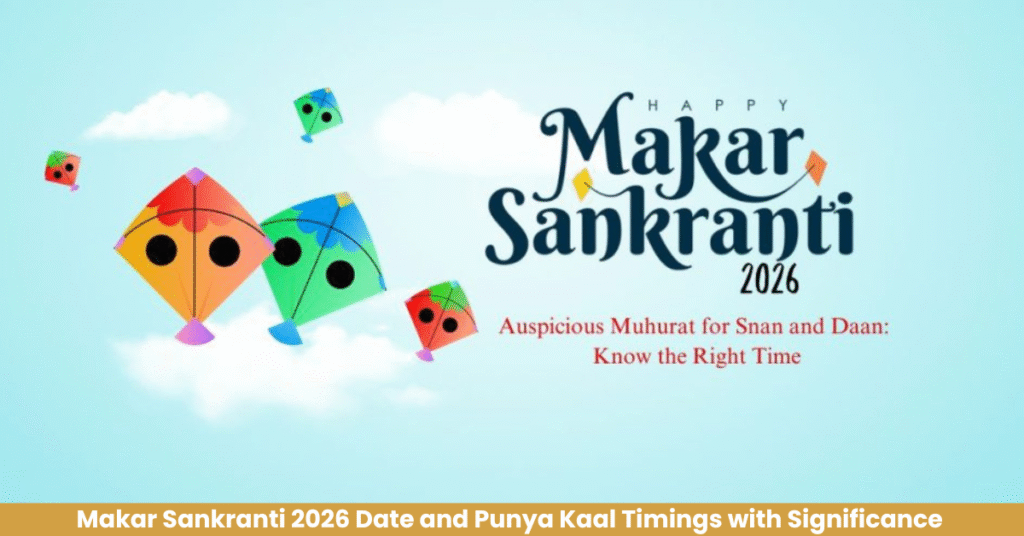
| Gujarat | Uttarayan | World-famous kite flying festival celebrated with great enthusiasm |
| Tamil Nadu | Pongal | Four-day harvest festival honoring Surya Dev and nature |
| Andhra Pradesh & Telangana | Bhogi | Bonfires symbolizing the discarding of negativity and old habits |
| Punjab | Lohri | Bonfire rituals, folk songs, and dance celebrating agricultural abundance |
| Kerala | Makaravilakku | Divine celestial light witnessed at the Sabarimala temple |
Unity in Diversity
Although the names, rituals, and cultural expressions differ, the underlying message of Makar Sankranti remains universal. Devotion to Surya Dev, respect for nature, gratitude for harvest, and the spirit of sharing and celebration unite people across the country.
This harmonious blend of regional traditions and spiritual values makes Makar Sankranti not just a festival, but a national celebration of faith, culture, and togetherness.
Frequently Asked Questions on Makar Sankranti 2026
Q: When is Makar Sankranti in 2026?
Makar Sankranti will be celebrated on Wednesday, 14 January 2026.
Q: Why is Makar Sankranti celebrated every year on almost the same date?
It follows the solar calendar and marks the Sun’s entry into Makara Rashi.
Q: What is the Punya Kaal timing for Makar Sankranti 2026?
The Punya Kaal is from 03:13 PM to 05:45 PM on 14 January 2026.
Q: What is Maha Punya Kaal on Makar Sankranti 2026?
Maha Punya Kaal is the most auspicious period, from 03:13 PM to 04:58 PM.
Q: What does Uttarayan mean in Makar Sankranti?
Uttarayan is the Sun’s northward movement, symbolizing positivity and spiritual growth.
Q: Why is Surya Dev worshipped on Makar Sankranti?
Surya Dev is honored as the source of life, energy, and good health.
Q: What are the main rituals of Makar Sankranti?
Holy river bath, Surya Arghya, charity, and sharing sesame-jaggery sweets.
Q: Why are til and jaggery important on Makar Sankranti?
They represent warmth, health, and sweetness in relationships during winter.
Q: Is Makar Sankranti a harvest festival?
Yes, it celebrates the harvest season and gratitude toward nature and farmers.
Q: Where is Makar Sankranti celebrated as Pongal?
In Tamil Nadu, Makar Sankranti is celebrated as the Pongal festival.
Q: What is the spiritual benefit of charity on Makar Sankranti?
Charity on this day is believed to remove past negativity and bring prosperity.
Q: Why is kite flying associated with Makar Sankranti?
Kite flying symbolizes joy, freedom, and rising toward positive energy.
Q: Which pilgrimage places are important on Makar Sankranti?
Prayagraj, Ganga Sagar, and Sabarimala attract large numbers of devotees.
Q: Is Makar Sankranti considered an auspicious day?
Yes, it is highly auspicious for worship, charity, and new beginnings.
Q: What is the main message of Makar Sankranti?
Moving from darkness to light, spreading positivity, and living with gratitude.
Final Thoughts on Makar Sankranti 2026
Makar Sankranti 2026, observed on 14 January, is a festival that beautifully blends spirituality, nature, and human values. It reminds us to move towards light, gratitude, and generosity while letting go of negativity and past burdens.
As the Sun begins its auspicious northward journey, this sacred day inspires renewed hope, inner strength, and harmony in life. Whether celebrated through rituals, charity, food, or cultural traditions, Makar Sankranti continues to guide people toward balance, positivity, and spiritual growth.