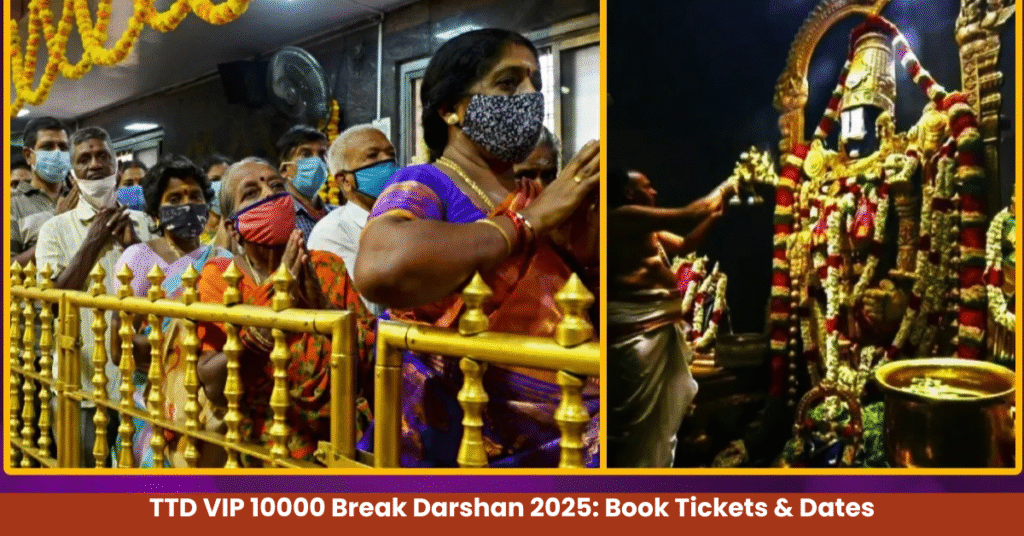
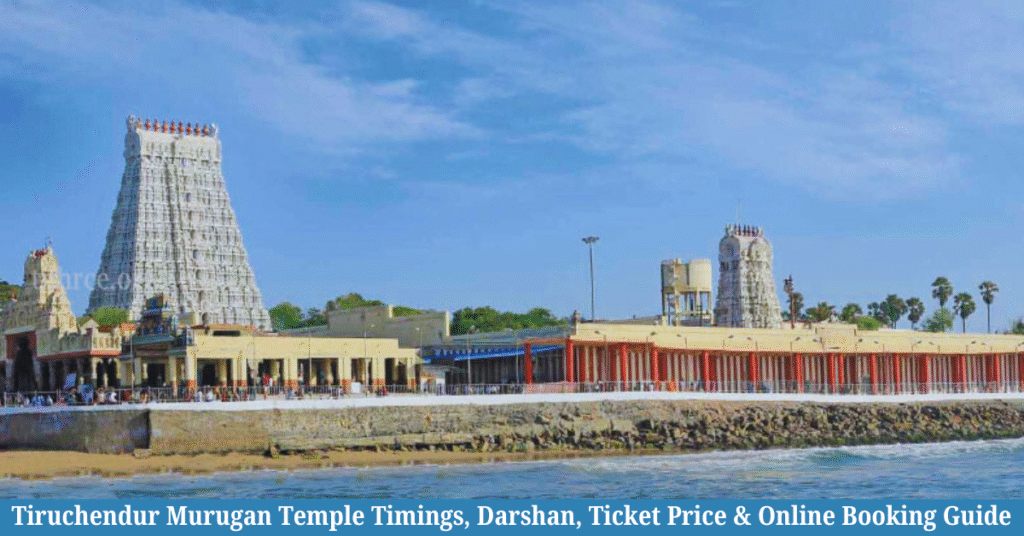
Tiruchendur Murugan Temple, formally known as Arulmigu Subramania Swamy Temple, is one of the most revered Murugan temples in South India. Nestled on the serene shores of the Bay of Bengal in Thoothukudi District, Tamil Nadu, this ancient temple is celebrated for its spiritual significance, sacred rituals, and divine energy. Every year, millions of devotees from across India and abroad visit Tiruchendur to seek blessings from Lord Murugan, participate in age-old ceremonies, and experience the temple’s vibrant spiritual atmosphere.
Planning a visit to Tiruchendur Temple? Knowing the temple timings, darshan types, and online ticket booking procedures will make your pilgrimage smooth and hassle-free. Whether it’s your first visit or a return pilgrimage, this guide will help you navigate all the essential details to ensure a blessed and memorable experience at this sacred South Indian shrine.
Tiruchendur Murugan Temple Timings, Darshan & Mottai Schedule
Planning a visit to Tiruchendur Murugan Temple, one of the most sacred Murugan temples in South India? Knowing the exact temple timings, darshan schedule, and sanctum (Mottai) visiting hours is essential to make your pilgrimage smooth and spiritually fulfilling. This complete guide helps you plan your visit efficiently, whether it’s a regular day or during a festival.
1. Daily Temple Timings – When Can You Visit?
The Arulmigu Subramania Swamy Temple welcomes devotees every day with structured timings:
- Morning: 4:00 AM – 12:00 PM
- Afternoon & Evening: 12:00 PM – 9:00 PM
- Final Closing: 9:00 PM – 9:05 PM
Pro Tip: During major festivals like Vaikasi Visakam, Panguni Uthiram, and Kanda Sashti, the temple may open earlier (1:00 AM – 3:00 AM) and remain open late for special poojas and rituals.
2. Darshan Timings – Plan Your Divine Visit
To ensure a smooth experience, Tiruchendur Temple has fixed darshan sessions:
| Darshan Type | Timing |
|---|---|
| Viswaroopa Darshan | 5:30 AM – 6:15 AM |
| Morning Darshan | 6:15 AM – 12:00 PM |
| Evening Darshan | 4:00 PM – 9:00 PM |
- Why follow structured darshan? It helps you witness the main poojas and rituals without long waiting lines, especially during festival seasons.
- Tip for early birds: Viswaroopa Darshan is the best time for a peaceful spiritual experience.
3. Temple Mottai (Sanctum) Visiting Hours
The Temple Mottai, or the main sanctum of Lord Murugan, is open:
- 6:00 AM – 6:00 PM
- This timing is ideal for devotees who want a quiet visit, away from the crowd during busy darshan hours.
- Offers the perfect opportunity for personal prayers, meditation, and photo opportunities near the sanctum.
Tiruchendur Murugan Temple Daily Pooja Schedule & Rituals
Tiruchendur Murugan Temple, also known as Arulmigu Subramania Swamy Temple, is famous not only for its divine presence but also for its structured daily poojas and traditional rituals. Devotees visiting the temple can experience these spiritual ceremonies throughout the day, each performed with precision by trained priests following ancient Murugan worship traditions.
Here is the detailed daily pooja schedule at Tiruchendur:
| Ritual Name | Approximate Time |
|---|---|
| Temple Opens | 5:00 AM |
| Subrabhadham Pooja | 5:00 AM – 5:10 AM |
| Viswaroopa Darshan | 5:30 AM |
| Dwajasthamba Namaskaram | 5:45 AM |
| Udaya Marthanda Abishekam | ~6:15 AM |
| Deeparadhana | ~7:00 AM |
| Kalasandhi Pooja | 8:00 AM – 8:30 AM |
| Uchikkala Pooja | 10:00 AM – 12:00 PM |
| Sayaraksha Pooja | ~5:00 PM |
| Arthajama Pooja | ~7:15 PM |
| Palliarai Pooja | ~8:45 PM |
| Temple Closes | ~9:00 PM |
These daily rituals provide devotees with a profound spiritual experience, from the early morning Subrabhadham Pooja to the nighttime Palliarai Pooja. Observing these ceremonies allows visitors to connect deeply with Lord Murugan’s divine energy, making every visit truly fulfilling.
Tiruchendur Murugan Temple Darshan Options: Free & Paid Entry Guide
Visiting Tiruchendur Murugan Temple offers devotees multiple ways to experience the divine presence of Lord Murugan. The temple provides both free darshan and a variety of paid darshan options, catering to different needs and helping manage crowds efficiently, especially during festivals and peak pilgrimage seasons.
Free Darshan
The free darshan is open to all devotees at no cost. While it allows everyone to seek Lord Murugan’s blessings, queues may be longer during busy periods like Vaikasi Visakam, Panguni Uthiram, and Kanda Sashti.
Paid Darshan Options
Paid darshan tickets provide faster access, special entry lines, and exclusive rituals, making your visit more convenient and spiritually enriching. Below is an overview of the popular darshan types and approximate ticket prices:
| Darshan Type | Price (Approx.) |
|---|---|
| Free Darshan | ₹0 |
| Mukha Darshan / Quick Entry | ₹20 |
| Special Darshan | ₹100 |
| Quick / Speed Darshan | ₹250 |
| Golden Car Seva | ₹2,500 |
| Abishekam (Special Ritual) | ₹1,500 |
| Shanmugar Archanai | ₹5,000 |
Note: Prices may vary slightly during festivals or based on updates from the Tamil Nadu Hindu Religious and Charitable Endowments (HR & CE Department). Always check the latest ticket rates before planning your visit.
By choosing the appropriate darshan type, devotees can enjoy a smooth and spiritually fulfilling experience at one of the most sacred Murugan temples in South India. Whether you opt for free darshan or a special paid entry, Tiruchendur offers a divine experience that is both convenient and memorable.
Tiruchendur Murugan Temple Online Ticket Booking Guide
Visiting Tiruchendur Murugan Temple is now easier than ever with online ticket booking. The temple has embraced digital services through the Tamil Nadu Hindu Religious & Charitable Endowments (HR & CE) Department, allowing devotees to book darshan tickets, special poojas, and sometimes accommodation in advance. This is especially helpful during festivals and peak pilgrimage seasons, ensuring a smooth and spiritually fulfilling visit.
Step-by-Step Guide to Book Tiruchendur Temple Tickets Online
Follow these simple steps to secure your darshan or pooja slot:
- Visit the Official Portal
Go to the Tiruchendur Murugan Temple page on the Tamil Nadu HR & CE Department website. - Navigate to Darshan/Pooja Booking
Click on the “Darshan / Pooja Booking” section to see available options. - Select Your Darshan Type
Choose from options such as:- Free Darshan
- Special Darshan
- Abishekam / Ritual Booking
- Golden Car Seva / Shanmugar Archanai
- Pick Your Preferred Date
Select the date you plan to visit. Booking 4–30 days in advance is recommended, especially during festivals or weekends. - Make Payment Online
Pay securely using UPI, debit/credit card, or net banking. - Save Confirmation & Carry ID
Download or print your booking confirmation. Bring the same photo ID used during online booking when visiting the temple.
Tips for a Smooth & Hassle-Free Visit
- Arrive Early: Morning visits help avoid heavy crowds and allow peaceful darshan.
- Dress Comfortably: Wear modest clothing suitable for temple rituals and long queues.
- Carry Essentials: Water, light snacks, and any necessary items for children or elders.
- Follow Temple Customs: Maintain silence inside sanctum areas and respect all rituals.
- Plan Ahead During Festivals: Online booking is highly recommended for Vaikasi Visakam, Panguni Uthiram, and Kanda Sashti, when queues can be extremely long.
Perfect for longer stays, allowing you to attend multiple poojas and darshan sessions without weather-related discomfort.
Best Time to Visit Tiruchendur Murugan Temple
Planning your visit to Tiruchendur Murugan Temple, one of the most sacred Murugan temples in South India? While the temple is open throughout the year, certain times are especially ideal for a spiritually enriching and comfortable pilgrimage.
1. Festival Seasons – Experience Divine Celebrations
The temple comes alive during major Murugan festivals, offering devotees a unique glimpse into traditional rituals, processions, and special poojas:
- Vaikasi Visakam (May–June): Celebrated as Lord Murugan’s birthday, this festival features grand processions, abishekam, and elaborate rituals.
- Panguni Uthiram (March–April): Witness special ceremonies, temple chariots, and cultural events, making it a spiritually vibrant experience.
- Kanda Sashti and Other Festivals: During these occasions, devotees can participate in special poojas, golden car seva, and shanmugar archanai.
Visiting during festivals allows you to experience the full glory of Tiruchendur Temple and Lord Murugan’s divine blessings.
2. Weather Considerations – Visit Comfortably
For a more pleasant and comfortable pilgrimage, the cooler months from November to February are ideal:
- Enjoy comfortable weather for exploring the temple and nearby areas.
- Take peaceful walks along the Bay of Bengal, which adds a serene experience to your visit.
- Perfect for longer stays, allowing you to attend multiple poojas and darshan sessions without weather-related discomfort.
3. Quick Tips for Timing Your Visit
- Morning Darshan: Best for a quiet and peaceful experience. Try Viswaroopa Darshan (5:30 AM – 6:15 AM).
- Evening Darshan: Ideal for Sayaraksha and Arthajama Pooja, giving a serene atmosphere with fewer crowds.
- Avoid Peak Crowds: Weekdays outside festival seasons are generally less crowded.
How to Reach Tiruchendur Murugan Temple
Planning a visit to Tiruchendur Murugan Temple, one of the most sacred Murugan temples in South India? Here’s a complete guide on how to reach the temple by air, train, and road, along with nearby attractions and accommodation options.
1. By Air
The nearest airport is Tuticorin Airport (49 km), well-connected to major Indian cities like Chennai, Bangalore, and Hyderabad. From the airport, you can hire a taxi or cab to reach the temple comfortably.
2. By Train
Thiruchendur Railway Station is located within walking distance of the temple, making train travel extremely convenient for pilgrims. Regular trains connect Tiruchendur to Tirunelveli, Madurai, and Chennai, providing easy access for both short and long-distance travelers.
3. By Road
Tiruchendur is well-connected via state highways and major roads:
- Buses: Frequent services from Tuticorin, Tirunelveli, and nearby towns.
- Taxis & Cabs: Easily available for direct travel from cities or the airport.
- Private Vehicles: Well-maintained roads make driving a comfortable option for road trips.
Nearby Attractions to Explore
Enhance your Tiruchendur visit by exploring these spiritual and historical sites nearby:
- Valli Cave: A natural cave shrine dedicated to Goddess Valli, connected to a 16-pillared mandapa facing the temple. A must-visit for devotees seeking a serene spiritual experience.
- Panchalankurichi Fort: A historic fort built by Veerapandiya Kattabomman, symbolizing resistance against the British, perfect for history enthusiasts.
- Manapad Beach: A peaceful, rocky shoreline ideal for nature lovers and surfers, offering spectacular sunrise views.
- Thiruchendur Beach: Pilgrims often take ritual sea baths here and enjoy early morning serenity along the Bay of Bengal.
Accommodation Near Tiruchendur Murugan Temple
For a comfortable stay near the temple, Regency Tuticorin by GRT Hotels is an excellent choice, located just 40 km from Tiruchendur. It offers modern amenities and easy access to local attractions.
Room Options:
- Deluxe Room
- Suite
- Viceroy Suite
- Regent Suite
Dining Options:
- Lotus Restaurant: Serves regional and global cuisines.
- The Voyager Lounge: Ideal for a relaxing tea or coffee break.
Event Spaces:
- Orchid: Up to 110 guests
- Marigold: Up to 60 guests
- Starlight Garden: Up to 800 guests, perfect for weddings, conferences, and large gatherings
History and Spiritual Significance of Tiruchendur Murugan Temple
Tiruchendur Murugan Temple, officially known as Arulmigu Subramania Swamy Temple, is one of the most revered Murugan temples in South India, steeped in centuries of history, legend, and spiritual devotion.
Ancient Origins
The temple traces its roots back to the Sangam period, beginning as a humble shrine made of sand and clay. Over the centuries, powerful dynasties like the Pandyas, Cheras, Cholas, and Vijayanagar rulers expanded and fortified the temple, adding grand halls, towering gopurams, and intricate stone carvings. Each dynasty contributed its unique architectural and cultural imprint, gradually transforming the coastal shrine into the architectural and spiritual marvel it is today.
Legendary Tales
Tiruchendur holds a profound place in Murugan lore. Legend narrates that this temple is located on the very battlefield where Lord Murugan defeated the demon Surapadman. After his victory, Lord Murugan worshipped Lord Shiva, blessing the site with divine energy that continues to draw millions of devotees every year.
A notable historical miracle occurred in the 17th century, when the Dutch attempted to steal the main deity’s idol. A miraculous event involving a floating lemon and a Garuda led to its recovery in 1653, further solidifying the temple’s reputation as a place of divine protection and supernatural occurrences.
Architectural Marvel
The temple’s design is both spiritual and architecturally unique:
- Raja Gopuram: Faces west and serves as the majestic entrance, adorned with intricate sculptures depicting epic tales, divine teachings, and heroic battles.
- Sanctum: Set slightly below ground, creating a tranquil and spiritual atmosphere for devotees.
- Shanmukha Vilasa Mandapam: Features finely carved granite pillars, showcasing the skill and devotion of ancient artisans.
- Deities: Lord Murugan is enshrined alongside Goddess Valli and Deivanai, radiating divine energy and calm strength.
Sacred Features
- Nazhikkinaru Spring: A centuries-old freshwater spring within the temple premises, revered for its purity and sanctity, continues to enhance the spiritual rhythm of the pilgrimage.
- Spiritual Experience: From the moment devotees enter the gopuram to the serene sanctum, the temple offers a blend of devotion, history, and architectural grandeur, making every visit a deeply enriching experience.
Tiruchendur Murugan Temple FAQs
Q1: What are the Tiruchendur Murugan Temple timings?
A: The temple is open daily from 5:30 AM to 12:00 PM and 4:00 PM to 9:00 PM. Special early or late timings may apply during festivals.
Q2: How can I book Tiruchendur Temple tickets online?
A: Visit the official HR & CE portal, select darshan or pooja type, choose your date, pay online, and carry a photo ID during your visit.
Q3: What is the ticket price for Tiruchendur Murugan Temple darshan?
A: Free darshan is available. Paid options include Special Darshan ₹100, Speed Darshan ₹250, Abishekam ₹1,500, and Golden Car Seva ₹2,500.
Q4: Which are the main festivals celebrated at Tiruchendur Temple?
A: Skanda Sashti, Vaikasi Visakam, Panguni Uthiram, Avani Festival, and Masi Festival are the major celebrations, featuring rituals, processions, and cultural events.
Q5: How can I reach Tiruchendur Murugan Temple?
A: The temple is accessible via Tuticorin Airport (49 km), Thiruchendur Railway Station, and well-connected roads with buses and taxis.
Q6: Are there accommodation options near Tiruchendur Temple?
A: Regency Tuticorin by GRT Hotels offers comfortable stays with rooms, suites, dining, and event facilities, about 40 km from the temple.
Q7: Is Tiruchendur Murugan Temple located by the sea?
A: Yes, it is uniquely set on the shores of the Bay of Bengal, making it one of Lord Murugan’s few seaside abodes.
Q8: What is the historical significance of Tiruchendur Temple?
A: It marks the spot where Lord Murugan defeated Surapadman. The temple also has rich architecture shaped by Pandyas, Cheras, Cholas, and Vijayanagar rulers.
Q9: What are the nearby attractions around Tiruchendur Temple?
A: Must-visit spots include Valli Cave, Panchalankurichi Fort, Manapad Beach, and Thiruchendur Beach.
Q10: When is the best time to visit Tiruchendur Temple?
A: November to February offers pleasant weather. Festivals like Vaikasi Visakam and Skanda Sashti are ideal for experiencing grand rituals.